Top 20 Britpop albums

One part musical genre, one part media-fuelled cultural phenomenon, Britpop was the UK’s vibrant answer to America’s grunge. Johnny Sharp spotlights 20 of its best albums
Who, or what, was Britpop? Good question, partly because it wasn’t a genre as much as a movement, or a ‘scene’. It’s shorthand for a period in the mid-1990s when a slew of alternatively inclined British vocal groups (solo artists barely got a look in – this was all about community endeavour) grew too big for their spiritual home of the weekly music press and the ‘indie’ charts, and entered the mainstream. They were invariably informed by ‘indie’ music’s countercultural wit and creativity, but rejected the post-punk notion that you could only be cool if you had a cult audience. For the most part, Britpop bands made music with a pronounced pop sensibility, however contrarian and caustic their lyrical concerns might be.
Pop pickers
Acts such as Blur, Oasis and Pulp will always be associated with Britpop whether they like it or not. There are others who might be considered to have played a part but are not included here. Manic Street Preachers, The Charlatans, Lush and Black Grape could be seen as Britpop adjacent, but are also heavily tied in with previous musical movements. Similarly, the likes of Catatonia, Travis, Placebo and Babybird enjoyed success a little too long after Britpop’s peak to make our list. Longpigs? Menswear? Echobelly? Salad? Close but no skinny-rib t-shirt... As ever, feel free to argue the toss on our Sound Off pages.
Oh, and we’ve also picked only one album per act, to give the whole thing a little more variety. Parklife!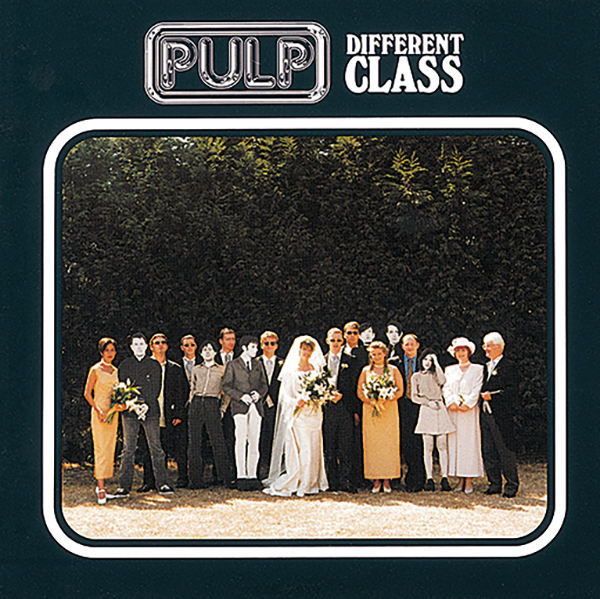
Pulp
Different Class
(Island, 1995)
If anyone embodied the notion of Britpop being a revenge of the nerds, it was Jarvis Cocker, and Different Class was where he and his gang of ‘Misshapes’ announced ‘Just put your hands up – it’s a raid’. The previous year’s His ’N’ Hers had blueprinted a worldview full of suburban sleaze, foiled romance and skint, knock-kneed longing, framed within fast-improving glam pop smarts, but its follow-up saw these perennial outsiders vaulting the fence into the musical and cultural zeitgeist. And in the shape of the relentlessly catchy ‘Common People’, they presented one of the era’s greatest anthems.
Suede
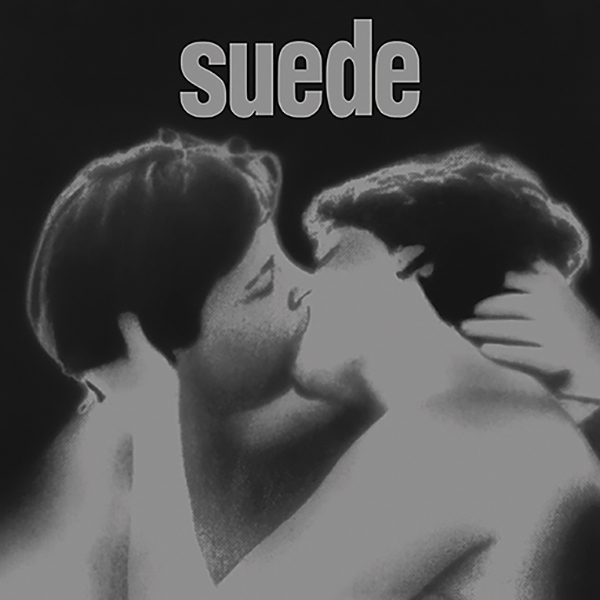
Suede
(Nude, 1993)
Like many on this list, Suede would dismiss any affiliation with Britpop, but these London-fixated Sussex boys were undoubtedly an important force in turning attention back from grunge to homegrown alt-pop. This self-titled debut album’s vision of a capital city populated by faintly desperate romantic hedonists was a seductive one, all the more so for being soundtracked by struttingly malevolent glam-noir and strung-out torch songs. The fact that it was made by scruffily suave, if elegantly undernourished young men in thrift shop shirts did no harm to their audio-visual appeal either.
The Bluetones
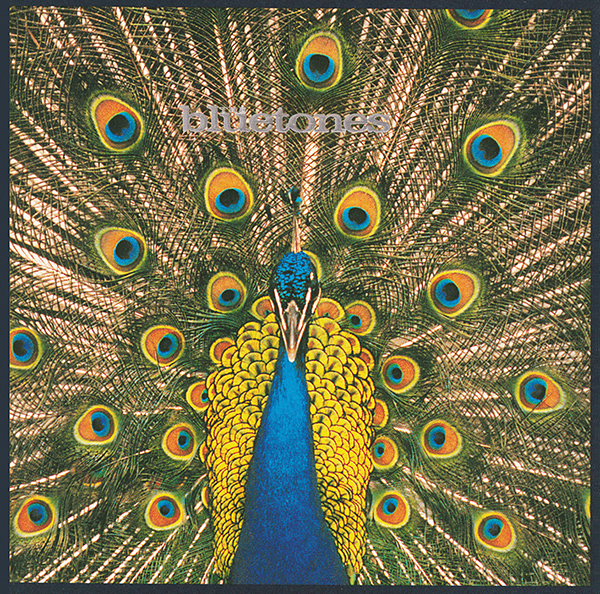
Expecting To Fly
(A&M, 1996)
They might not have benefitted from star quality in the shape of a Liam or Damon to front their sound, but this West London four-piece wielded some irresistible tunes. The Bluetones also offered a more self-effacing lyrical approach to some of their cockier contemporaries, the charm and gentle wit of their songs helping to mark them out from a crowded field of Britpop wannabes. This debut album managed to knock Oasis off the top of the UK charts on its way to platinum certification, fuelled by the success of upbeat singles ‘Slight Return’ and ‘Bluetonic’. Yet this set’s slower, deeper cuts were sublime too.

Super Furry Animals
Fuzzy Logic
(Creation, 1996)
Britpop? Welshpop would be a far more accurate term for these Cambrian mavericks. SFA regularly sang in their traditional tongue as well as turning their hand to off-kilter English language rock ’n’ roll drawing from influences as far apart as punk, techno, folk and psychedelia. The cover star, drug fugitive Howard Marks, offered a clue as to the heady sounds within but the band never lost sight of crowd-pleasing riffs and topline melodies. Fuzzy... yet cuddly.
Dodgy
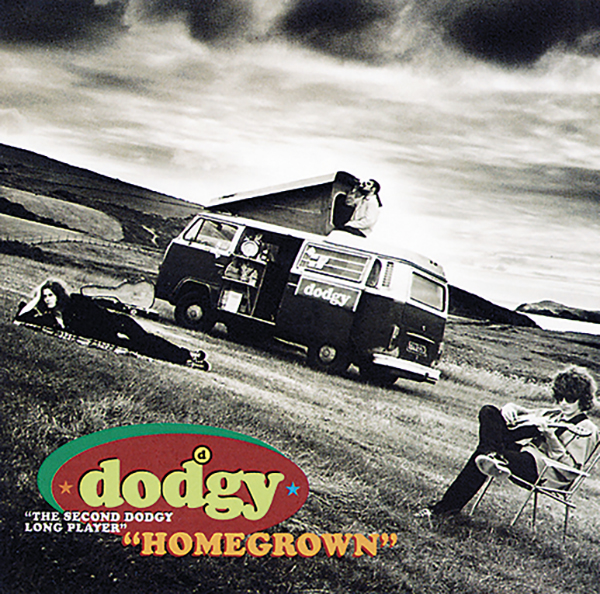
Homegrown
(A&M, 1994)
The influence of vintage English pop such as The Kinks and The Beatles is closely associated with the Britpop sound, but these Midlanders also drew on a US country-rock tradition of sun-dappled songwriting to crater their anthems to a bohemian (and marijuana-soaked) lifestyle. West coast harmonies met Who-style rock ebullience on Top 20 hit ‘Staying Out For The Summer’, before the seven-minute album-closer ‘Grassman’ delivered more epic sunset visions.
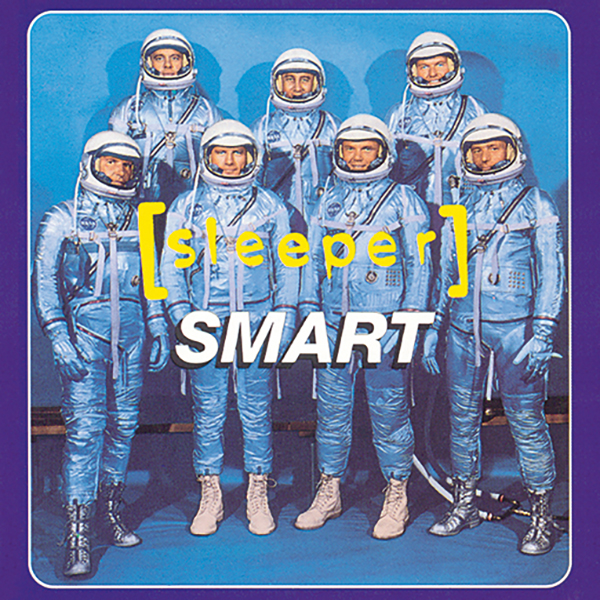
Sleeper
Smart
(Indolent, 1995)
While some have dismissed it as a boys’ club, Britpop benefitted from several strident female voices, including Sleeper’s Louise Wener. On this, the first of Sleeper’s three hit albums, her line in lusty but sometimes scathing lyrics lent vibrant character to an otherwise relatively four-square jangle-pop act. Songs such as ‘Lady Love Your Countryside’ (its name a riff on a Germaine Greer essay), ‘Alice In Vain’ and ‘Delicious’ offered resonant snapshots of suburban ennui.
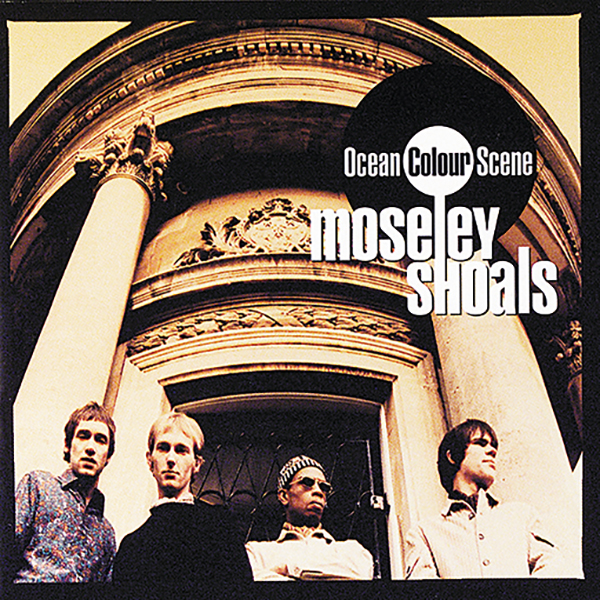
Ocean Colour Scene
Moseley Shoals
(MCA, 1996)
Written off as yesterday’s men after a first flush of success at the tail end of the baggy scene, this Brummie quartet found new impetus during Britpop when their more rock ’n’ soul approach to songwriting piqued the interest of Noel Gallagher among others. Once the Zep-meets-Steve Winwood single ‘Riverboat Song’ went top five (and became the theme song for Chris Evans’ TFI Friday Channel 4 TV show) their revival was complete.
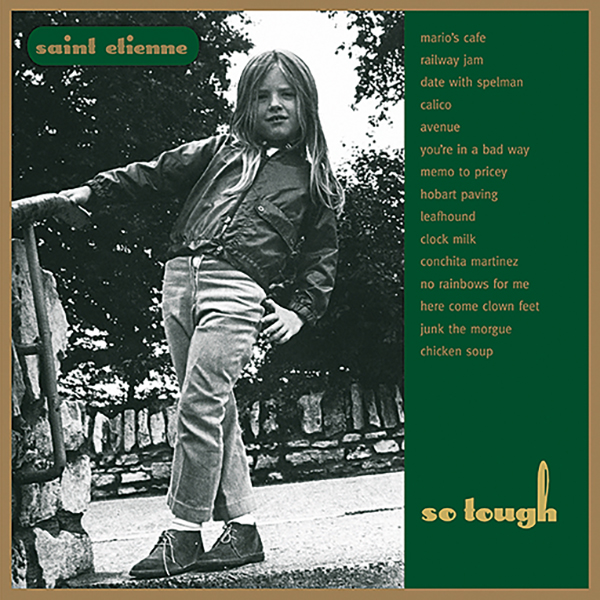
Saint Etienne
So Tough
(Heavenly, 1993)
Britpop became synonymous with guitar bands, but one of the first acts to be considered part of the movement was this South London dance pop trio, and the love for British youth culture threaded so tightly through their music means they will always be considered fellow travellers. That said, from the cooing reverie of ‘Avenue’ to the coyly romantic ‘You’re In A Bad Way’, this was music for soft-spoken dreamers rather than Britpop’s typical lager-guzzling lads and ‘ladettes’.
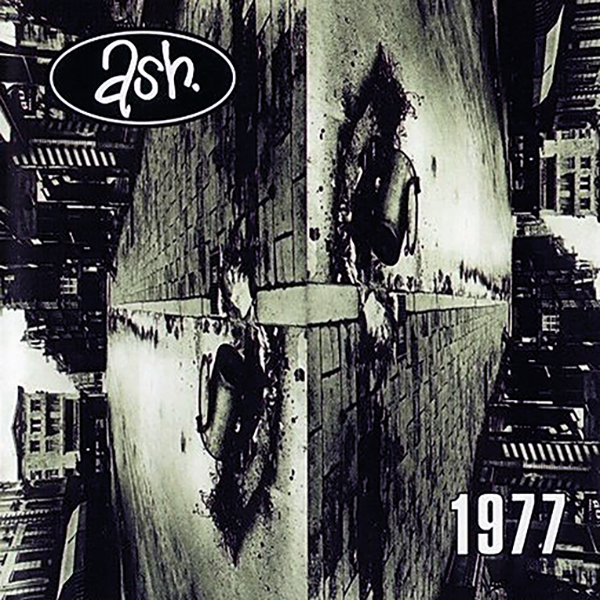
Ash
1977
(Infectious, 1996)
As Britpop was beginning to sound dangerously mature, with string sections two-a-penny, this trio of Northern Irish teens were a welcome reminder of how good juvenile rock ’n’ roll could sound. 1977 channelled innocent obsessions with Kung Fu films and Star Wars (the album was named after the year of the movie’s release, and two of the band’s year of birth) while also dreaming of extraterrestrial paramours, all to a thrillingly Buzzcockian brand of punk pop.
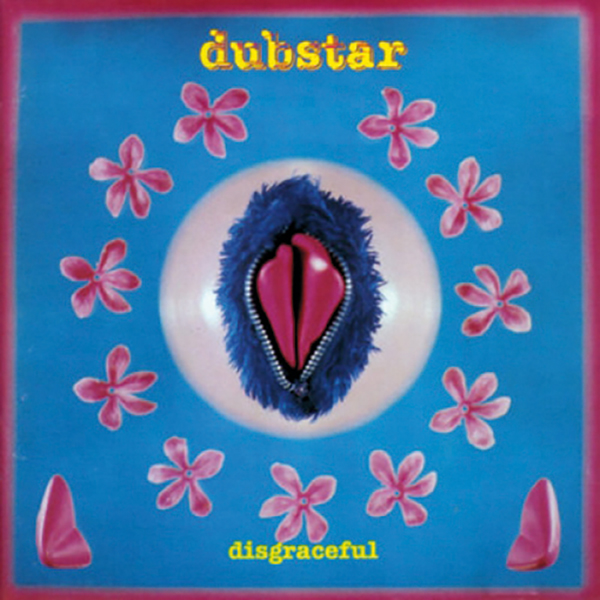
Dubstar
Disgraceful
(Food, 1995)
Tyneside trio Dubstar made more electronically oriented music than most on this list, but a love of kitchen sink dramas and sensitive portraits of quiet longing made them kindred spirits to the likes of Pulp and Saint Etienne. They also continued a tradition of realist British songwriting, reflected on Disgraceful in covers of Billy Bragg’s ‘St. Swithin’s Day’ and Brick Supply’s ‘Not So Manic Now’, while Sarah Blackwood was another distinctive female voice on the scene.
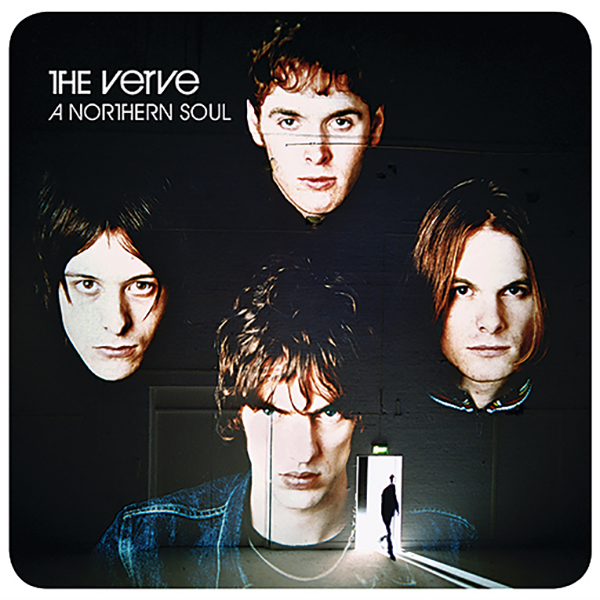
The Verve
A Northern Soul
(Hut, 1995)
Following up their 1993 debut A Storm In Heaven, these shoegazey Lancastrians befriended Oasis and drew inspiration from that band’s more direct songwriting style on this second album. The Verve would go on to blueprint an even more anthemic formula on 1997’s chart-topping Urban Hymns, but this set was its equal, albeit a more introspective blend of shimmering guitar rock and emotional longing, peaking on shoulda-been hit ‘History’.
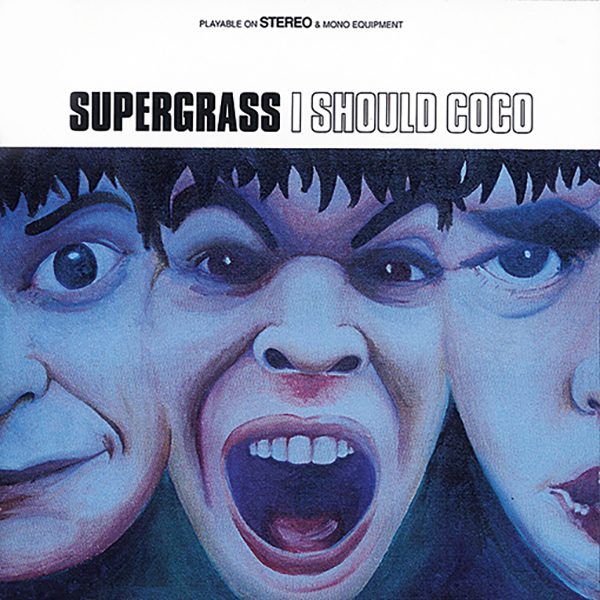
Supergrass
I Should Coco
(Parlophone, 1995)
There was a joyous feel to I Should Coco that chimed perfectly with the buoyant Britpop mood on its release just before the scene’s high summer of 1995. Forming out of teenage Oxford shoegazers The Jennifers, Supergrass’s sound was similarly ’60s-inspired, but this time drawing from garage proto-punk and scruffy psych-pop. The result was a high-octane rush, thanks to the power trio thrust of a tight band with a penchant for cartoonish harmonies.
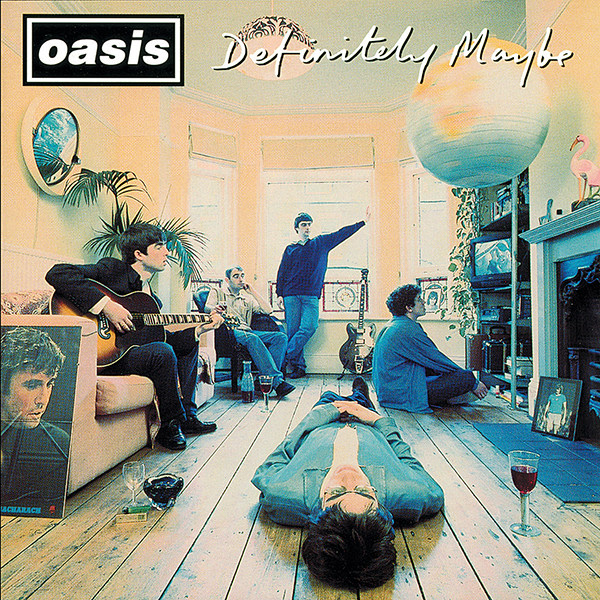
Oasis
Definitely Maybe
(Creation, 1994)
If ever there was a band ready to spearhead British guitar pop’s new burst of self-confidence, it was Oasis, and when an album begins with a thundering statement of intent like ‘Rock ’N’ Roll Star’, it’s clearly on a death-or-glory mission. That sense of fearlessness, enveloping most of Definitely Maybe’s 11 tracks, swept up the listener in its slipstream, selling them an escapist vision where ‘all I need are cigarettes and alcohol’ and ‘you and I are going to live forever’. A soundtrack to the kind of young adulthood that anyone would want to savour – and the success of their 2025 reunion tour shows millions still do.
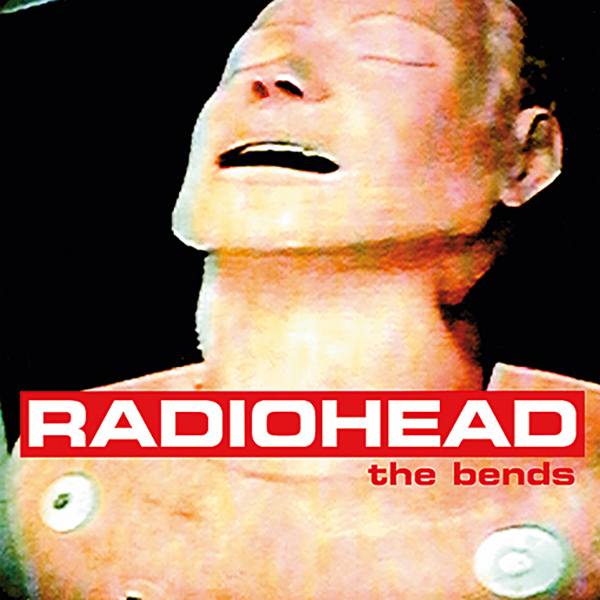
Radiohead
The Bends
(Parlophone, 1995)
Radiohead’s success in the US with 1993 single ‘Creep’ led some to ally them to a traditionally American brand of complaint rock. This follow-up was so powerful in its emotional pull that it reinvented them. Although filled with a ragged existential rage, songs such as the title track, ‘High And Dry’, ‘Just’ and ‘Fake Plastic Trees’ displayed a vulnerability expressed through a somehow very British tradition of simple songcraft.
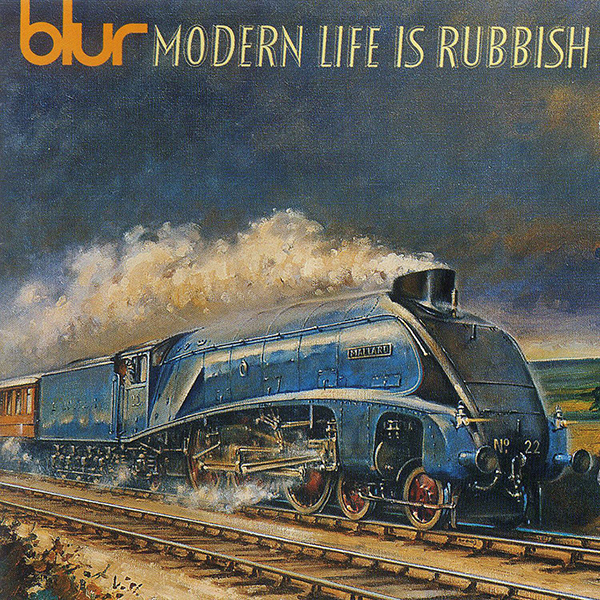
Blur
Modern Life Is Rubbish
(Food, 1993)
After an occasionally impressive 1991 debut album that dabbled in the indie-dance style in vogue at the time, dispiriting trips to a still grunge-fixated United States spurred Blur to delve back into their love of British art school pop for new inspiration. In the short term, neatly turned, knotty but characterful vignettes such as ‘For Tomorrow’, ‘Star Shaped’ and ‘Chemical World’ didn’t set the world alight commercially, but gave the band a new lease of life creatively. The sales would follow soon enough, as the band (helped by a much publicised chart battle with Oasis) saw a whole cultural movement build around them.
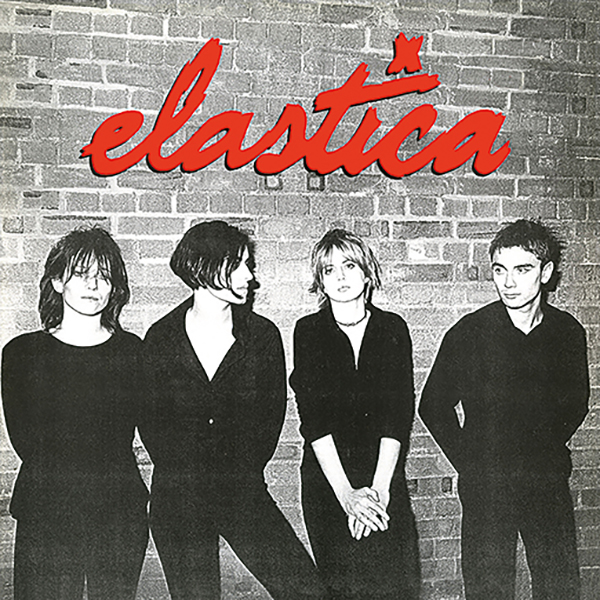
Elastica
Elastica
(Deceptive, 1995)
Bringing a sharp post-punk sensibility to their brand of jagged guitar pop, Justine Frischmann’s stylishly self-possessed quartet also offered a welcome female perspective on the scene. Choppy grooves punctuated by lithe basslines and gutsy drumming underpinned Frischmann’s cool vocal delivery of observant lyrics – allied to plenty of hooks. Elastica became the fastest-selling UK debut album since Definitely Maybe the previous year.
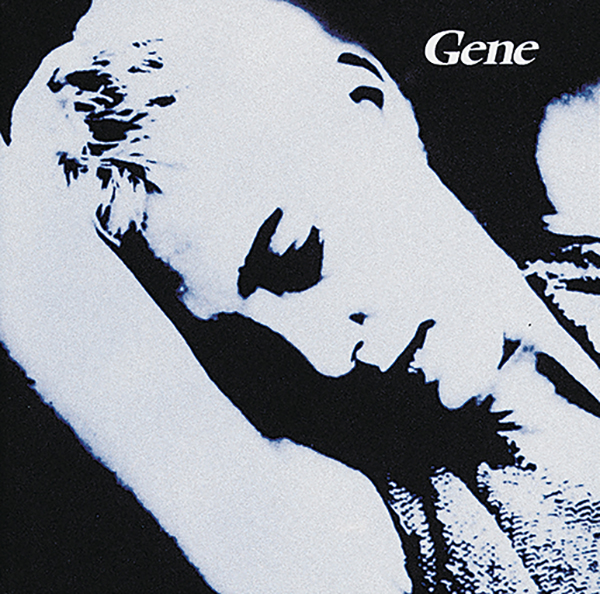
Gene
Olympian
(Costermonger, 1995)
Although Morrissey’s increasingly poor solo records rather alienated him from the class of ’95, the influence of The Smiths was strongly in evidence in the music of the generations that followed, and few more so than these neatly attired Londoners. Frontman Martin Rossiter offered an aesthete’s eye on the world even as his three bandmates built tunes of a more Moddish stripe, and the combination made the band’s debut album a swaggering triumph.
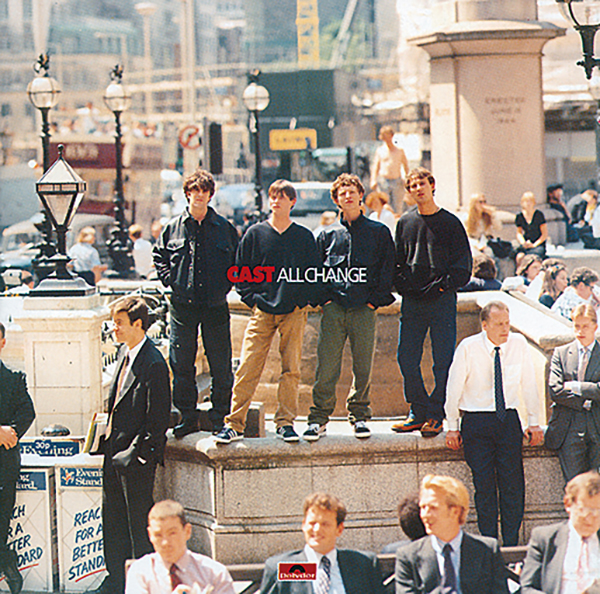
Cast
All Change
(Polydor, 1995)
Formed by members of two of Britpop’s semi-legendary cultural antecedents – John Power of The La’s and Peter Wilkinson of Shack – this Liverpool band mined the same vein of ’60s-influenced guitar pop, with Power emerging from the background to find a distinctive voice of his own. The 11 songs here (plus one ‘hidden’ track – remember them?) were tight, concise nuggets of Scouse-accented folk-pop that instantly leapt from the loudspeakers.
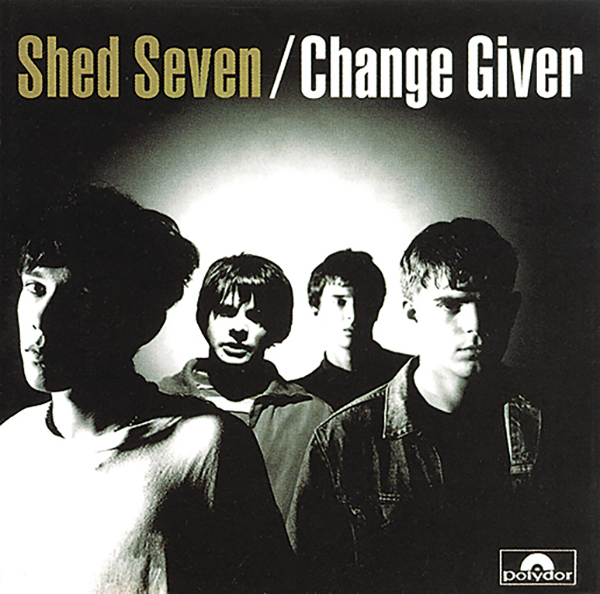
Shed Seven
Change Giver
(Polydor, 1994)
These York tykes were early Britpop frontrunners, and briefly lumped in, like Elastica and Supergrass, with the short-lived ‘New Wave of New Wave’ movement thanks to their punkish vibes. Later they sometimes became the butt of jokes, thanks largely to that deeply unglamorous name, but their debut album – after a major label bidding war – showed they could take Smithsian jangle pop and imbue it with compelling post-adolescent swagger.
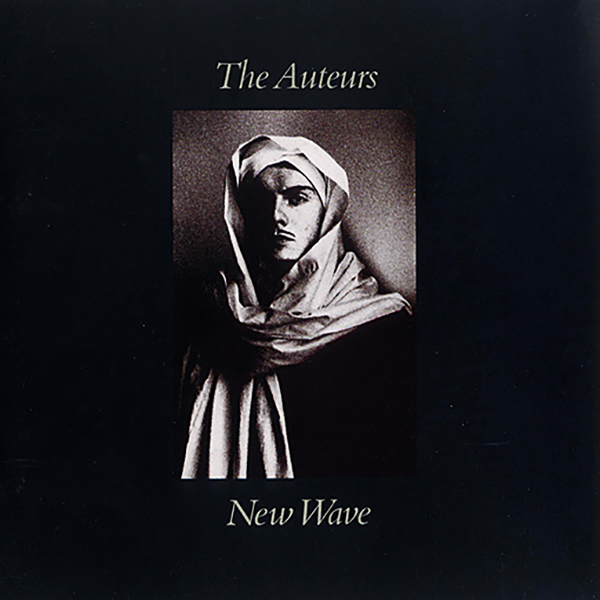
The Auteurs
New Wave
(Hut, 1993)
Luke Haines would later write a memoir subtitled ‘Britpop And My Part In Its Downfall’, expressing vehement distaste for his ’90s contemporaries, but alongside Suede and Blur, his band The Auteurs helped shape an eloquently British style of guitar music that would prove era-defining. Shot through with black humour and idiosyncratic touches as well as ear-catching tunes, New Wave started Haines on a career as one of this country’s most cherished pop mavericks.















 SPONSORED VIDEO






| Equipment Reviews |  |
Music Reviews Awards | |
Latest News Features | |
Resources Newsletters | |
Subscriptions |
WHERE TECHNOLOGY BECOMES ENTERTAINMENT
 © 2026 Hi-Fi News
AVTech Media Ltd
All rights reserved