Top 20 classic heavy metal albums

Out of the hard rock swamps of the early 1970s rose a new form of guitar music that wanted to turn everything up to 11. Mark Craven searches for the origins of heavy metal
While music historians debate when and where exactly the heavy metal genre began – some cite songs from the 1960s and even the 1950s – what is inarguable is that by the early 1980s the name was well established. And what did it mean? A particular breed of guitar music where the tempos were faster and the solos were longer, accompanied by lyrics that touched on more than the usual rock ’n’ roll tropes. Singing about sex and drugs had become, for the most part, passé.
With this new music came new imagery and new fashions – even new guitar techniques in the playing of Randy Rhoads, Glenn Tipton and Eddie Van Halen. Then came the countless sub-genres that live on to this day and keep Wikipedia editors busy – doom metal, sludge metal, power metal, folk metal, symphonic metal and more.
What, no Zep?
Collected here are 20 albums, all released between 1970 and 1983, that showcase the early years of the heavy metal genre and its rapid evolution. We’ve gone for a wide spread, so that while British bands dominate and Black Sabbath get two entries (by virtue of replacing one legendary vocalist with another), there are glam, prog and punk-influenced acts. There are also absentees that readers might feel demand inclusion – Led Zeppelin, AC/DC and Alice Cooper, perhaps – and inclusions that some will argue are less deserving.
As always, write in and tell us your picks. And remember, playing these albums backwards will just damage your stylus.
Angel Witch
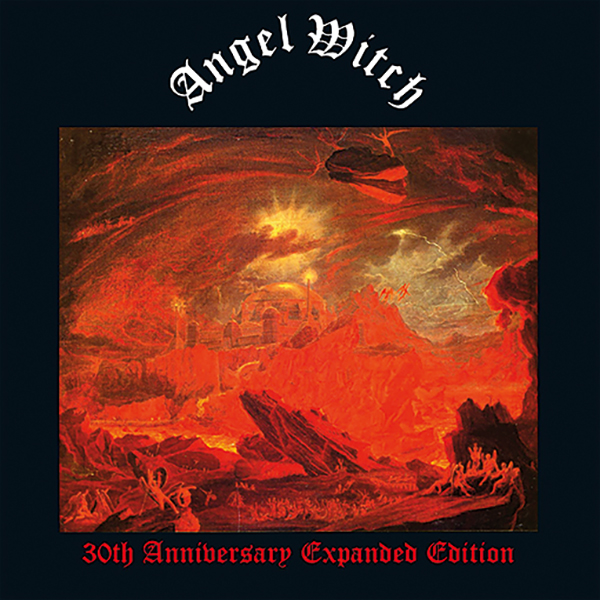
Angel Witch
(Bronze Records, 1980)
The fact that this London-based group was first known as Lucifer before a name change is a good indication of their general vibe. Part of the so-called New Wave Of British Heavy Metal (NWOBHM), Angel Witch combined lyrical tales of murderous banshees and ‘faceless evil’ with rapid-fire musicianship – vocalist/guitarist Kevin Heybourne seemed to have a limitless supply of riffs, a particular highlight being the serrated opening to ‘Angel Of Death’. Label issues and personnel departures meant they never capitalised on this well-reviewed 1980 debut. The 30th Anniversary Expanded Ed. adds demos, B sides, etc.
Motörhead
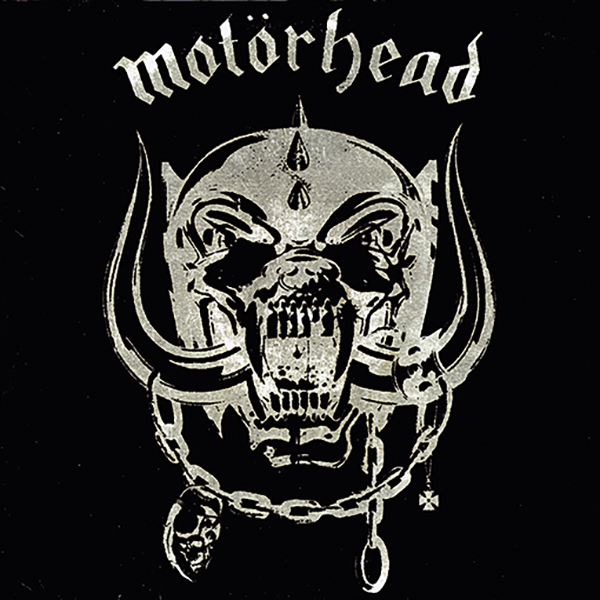
Motörhead
(Bronze Records, 1977)
It’s an oft-told story: Lemmy Kilmister, kicked out of Hawkwind in 1975, decides to move away from prog rock and pursue a leaner, meaner sound. With ‘Fast’ Eddie Clarke on guitar, Phil ‘Philthy Animal’ Taylor on drums, and Lemmy handling bass and vocals, Motörhead arrive two years later with this full-throttle album recorded in just two days. The rough-around-the-edges production suits the material perfectly, from the opening, chaotic title track to the closing cover of ‘The Train Kept A-Rollin’. Lemmy’s massively influential band went on to bigger and better things, but it all started here.
Rainbow
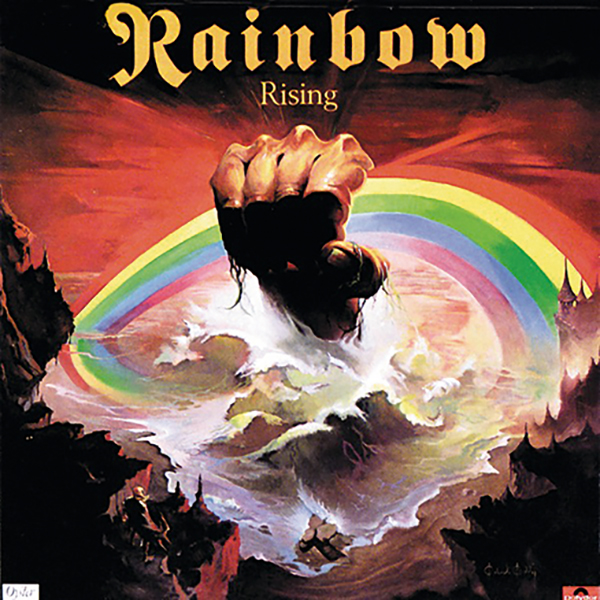
Rising
(Oyster Records, 1976)
After leaving Deep Purple [see p37], axeman Ritchie Blackmore teamed up with former Elf singer Ronnie James Dio to make three Rainbow LPs before Dio himself departed for Black Sabbath. Rising, from 1976, is the pick of the trio, predominantly for the brilliance of ‘Stargazer’, an eight-minute prog metal masterpiece that takes up one half of Side Two alongside the equally lengthy ‘A Light In The Black’. Conversely, ‘Do You Close Your Eyes’ rocks out for a tight 2m 58s.
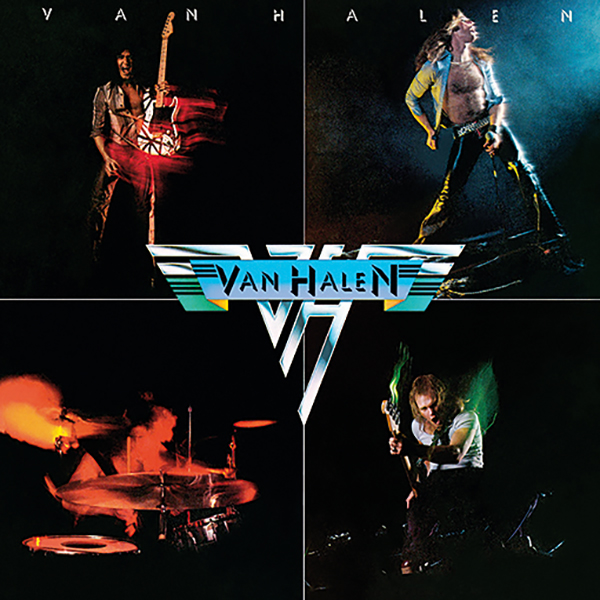
Van Halen
Van Halen
(Warner Bros., 1978)
Talk about making a statement. Across its 11 tracks, Van Halen’s self-titled debut showed the rest of the world that this Californian band had both insane musical talent – most obviously in the form of guitar whiz Eddie Van Halen – and an ear for a catchy tune. ‘Ain’t Talking Bout Love’ and ‘Running With The Devil’ were brightly lit antidotes to the dark sound emanating from British heavy metal bands, while their sweaty take on The Kinks’ ‘You Really Got Me’ is an utter joy.
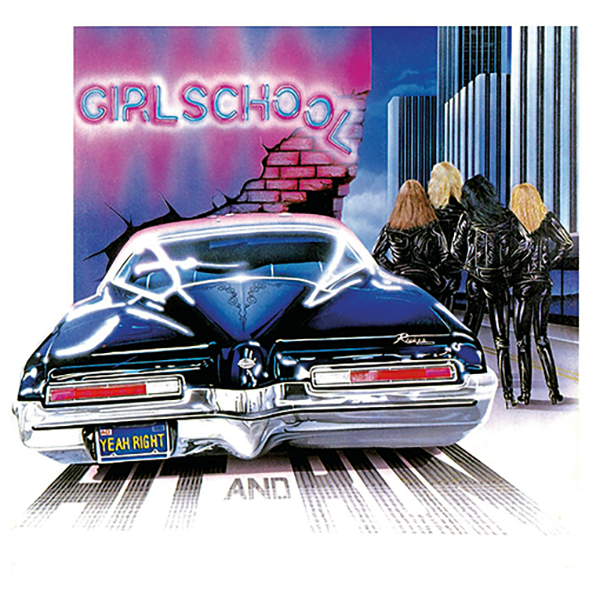
Girlschool
Hit And Run
(Bronze Records, 1981)
This all-female quartet from London honed their punk-metal sound on the UK gig circuit in the late ’70s, including a support slot for Motörhead, before signing up with that band’s label Bronze Records. It’s perhaps a toss up between this 1981 effort, which reached No 5 in the UK charts, or their 1980 debut Demolition as to which features Girlschool at their aggressive best, propelled by Denise Dufort’s relentless drumming and Kelly Johnson’s razor-sharp guitar licks.
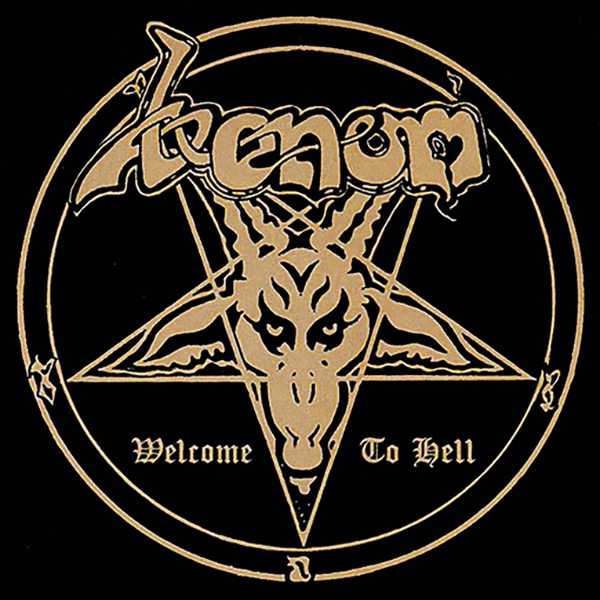
Venom
Welcome To Hell
(Neat Records, 1981)
Hailing from Newcastle upon Tyne, Venom were the metal band for people who thought the likes of Iron Maiden and Judas Priest were a bit... safe. Issued in 1981, this indie label debut sowed the seeds for entire musical sub-genres (thrash metal, black metal...), thanks to its uncompromising approach. Welcome To Hell’s riffs were brutal, the lyrics dark, and the production deliciously low-fi. 1982’s follow-up, Black Metal, is arguably even grittier – and just as much fun.
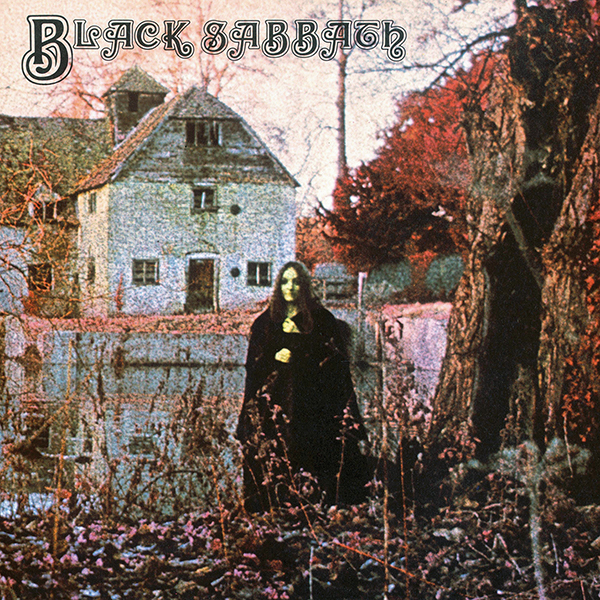
Black Sabbath
Black Sabbath
(Vertigo, 1970)
There’d been heavy, guitar-based music before Black Sabbath’s 1970 debut, but none of it sounded so menacing. Fuelled by Tony Iommi’s riffs, notably his use of the ‘devil’s interval’ in the title track, plus nightmarish lyrics from bass player Geezer Butler, the Birmingham quartet were a different proposition to the bluesy hard rock of Led Zeppelin et al. Later metal acts point to Black Sabbath as being the beginning of the entire genre, and we’re not about to argue. The band, rounded out by vocalist Ozzy Osbourne and drummer Bill Ward, were only getting started too, returning later that year with the superb Paranoid.
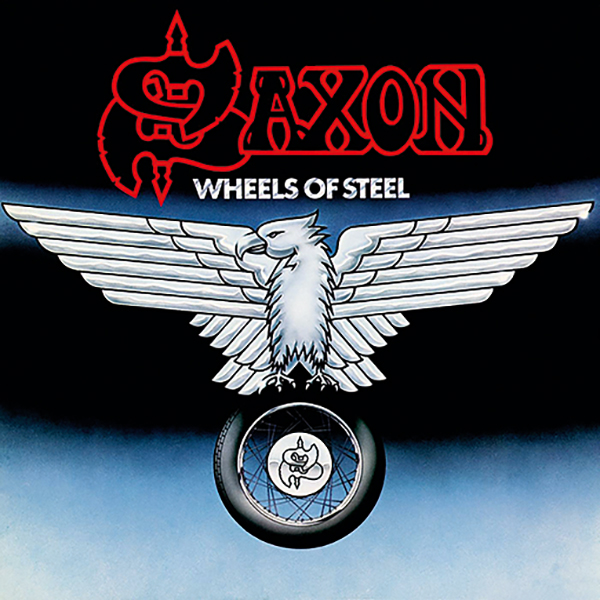
Saxon
Wheels Of Steel
(Carrere, 1980)
With their long hair and leather jackets, Saxon rank alongside Judas Priest in setting the sartorial style of 1980s heavy metal. Just as importantly, they had the songs too. ‘Motorcycle Man’, ‘Machine Gun’, ‘Street Fighting Gang’, ‘Wheels Of Steel’, ‘747 (Strangers In The Night)’ – this second Saxon album, from 1980, is so packed with pedal-to-the-metal stompers that it’s remarkable they released another album just seven months later.
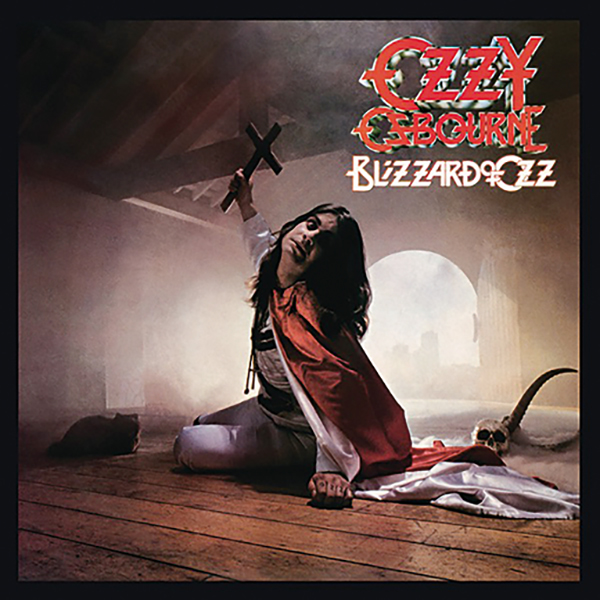
Ozzy Osbourne
Blizzard Of Ozz
(Jet Records, 1980)
On ‘Crazy Train’, Ozzy Osbourne’s new six-string partner in crime Randy Rhoads lays down one of the genre’s most memorable riffs. The rest of this 1980 album is a thrilling ride, from the devilish ‘Mr. Crowley’ to the eco-warning of ‘Revelation (Mother Earth)’, but not without a sour note – a 2002 re-recording replaced the original bass and drum parts, as part of legal wrangling over songwriting credits. Thankfully, they were returned for 2010’s 30th Anniversary Edition.
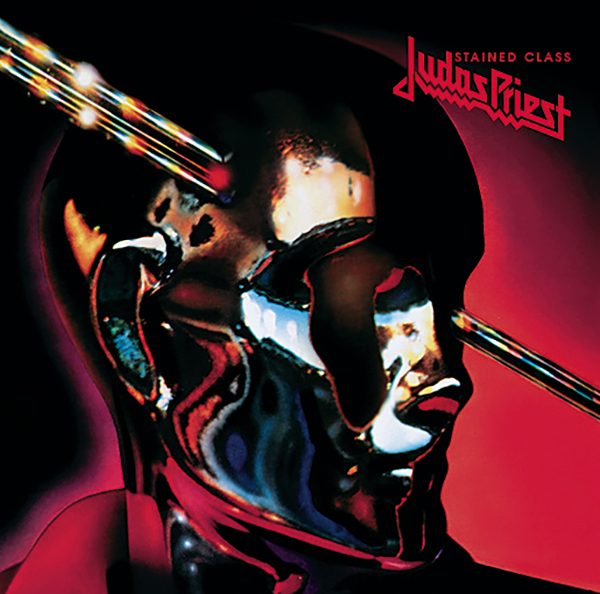
Judas Priest
Stained Class
(Columbia, 1978)
Judas Priest’s evolution from ’70s rock ’n’ rollas to modern day titans of heavy metal began here, their second album for Columbia, and fourth overall, from 1978. Pretty much eradicating the bluesy licks of earlier LPs in favour of hard-edged, lightning-fast riffs, and exploring macabre subject matters on songs like ‘Beyond The Realms Of Death’, Stained Class opened the door for not just the next 40-odd years of their career, but an avalanche of heavy metal bands to come.
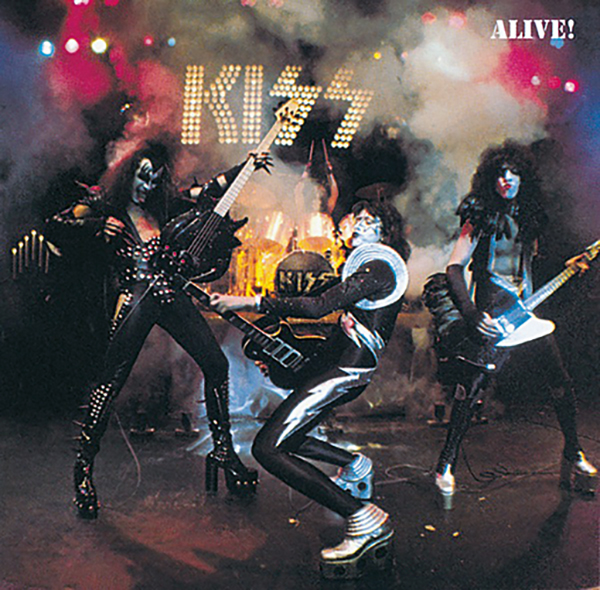
Kiss
Alive!
(Casablanca, 1975)
Proof that American glam metal band Kiss were not just a novelty act – despite the face paint and the platform shoes – came with this double live album from 1975. It arrived at just the right time too, following three poorly received studio efforts that didn’t capture what the quartet could do onstage. Beginning with the frenetic ‘Deuce’, and culminating with the gleeful ‘Let Me Go, Rock ’N Roll’, Alive! lives up to its title – and turned Kiss into mega-stars.
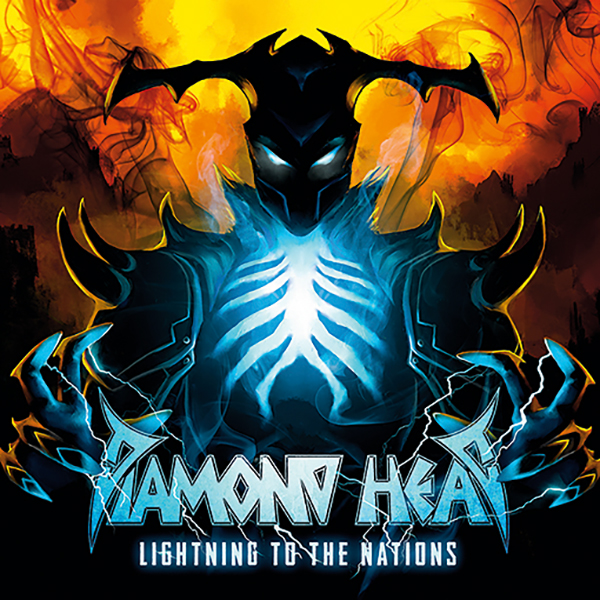
Diamond Head
Lightning To The Nations
(Happy Face, 1980)
Just 1000 copies of this 1980 debut from UK four-piece Diamond Head were originally pressed, in a plain white sleeve to boot (the artwork above is from the 2020 re-recorded release). Yet thanks to killer songs like ‘Am I Evil?’ and the tape-trading community, Lightning To The Nations became hugely influential, especially in the US – early Metallica setlists included covers of four of its eight tracks. A major label deal followed, but not major success.
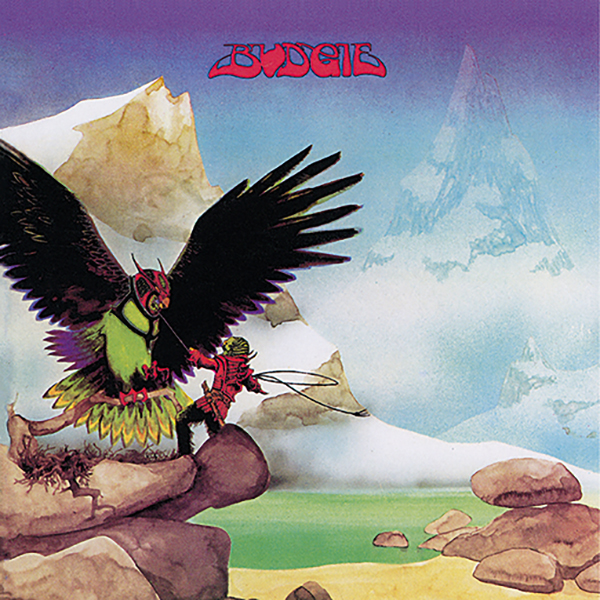
Budgie
Never Turn Your Back On A Friend
(MCA, 1973)
There’s a whiff of acid rock and prog around this Welsh power trio, and the closing track on this LP is a ten-minute mainly acoustic jam, but there’s no doubting Budgie’s influence on the emerging heavy metal scene of the 1970s. Opening track ‘Breadfan’, later covered by Budgie fans Metallica, kicks off this 1973 LP, the band’s fourth, with a monstrously fast and furious riff, and ‘In The Grip Of A Tyre Fitter’s Hand’ is gloriously manic.
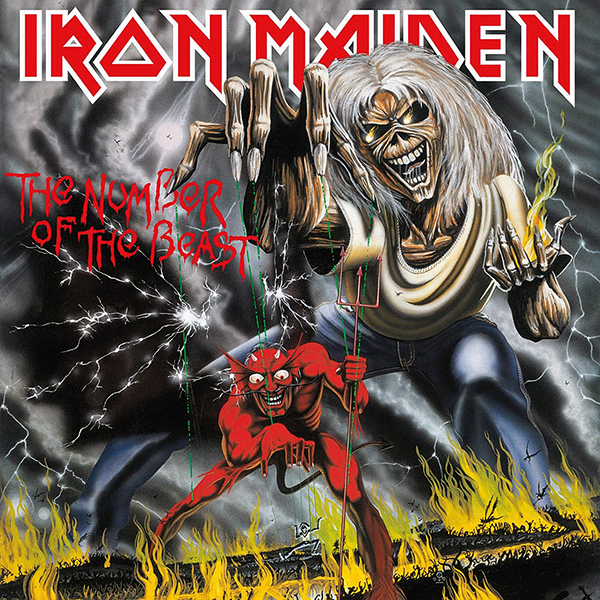
Iron Maiden
The Number Of The Beast
(EMI, 1982)
After two albums with singer Paul Di’Anno, Iron Maiden poached frontman Bruce Dickinson from fellow NWOBHM band Samson, and the rest is history. The Number Of The Beast marked a massive leap forward in the band’s sound – Dickinson was a better vocalist, and the songs, mainly written by bassist/band leader Steve Harris, became much more memorable. The title track, single release ‘Run To The Hills’ and the epic closer ‘Hallowed Be Thy Name’ are giants of the genre. Note that the tracklisting for the album’s 40th Anniversary Edition replaces back-half rocker ‘Gangland’ with one-time B side ‘Total Eclipse’.
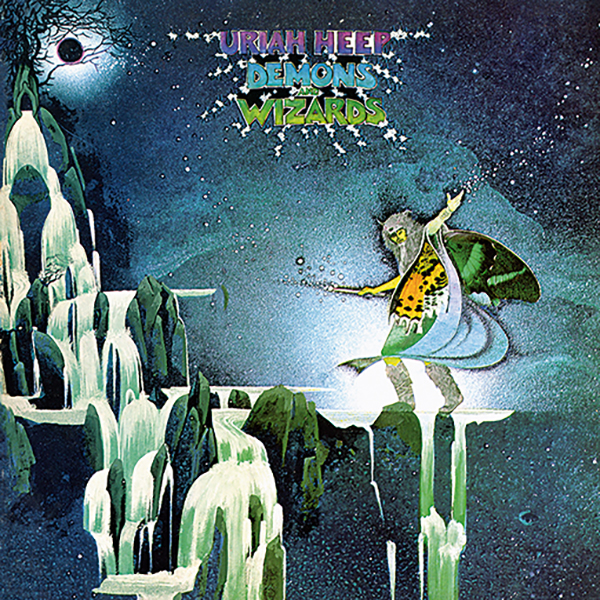
Uriah Heep
Demons And Wizards
(Bronze Records, 1972)
On their 1970 debut Very ’Eavy, Very ’Umble, Uriah Heep sounded like a band seeking a direction, mixing up straight-ahead Zep-style rockers and psych-prog with early heavy metal classics ‘Gypsy’ and ‘Dreammare’. 1972’s Demons And Wizards, while still musically varied, feels more focused in the structure of its songs and their lyrical themes. Without tracks like ‘Rainbow Demon’, it’s hard to imagine Iron Maiden ever existing.
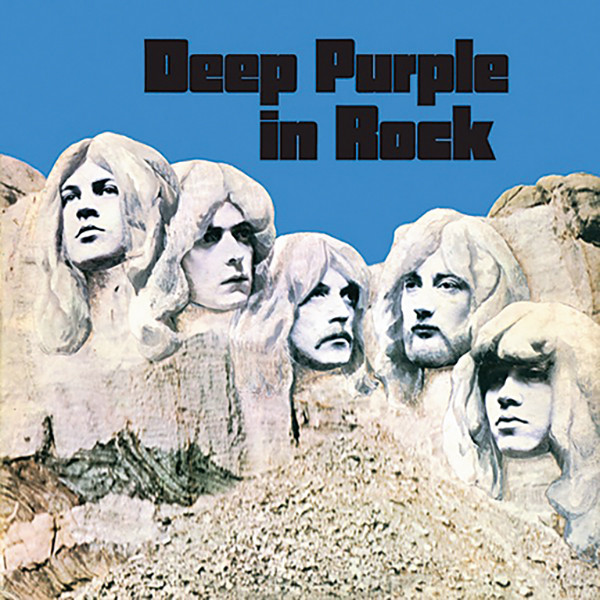
Deep Purple
In Rock
(Harvest, 1970)
Jon Lord’s organ might not scream ‘heavy metal’, but this 1970 LP from the British band (here in ‘MkII’ guise) stands alongside Black Sabbath’s eponymous release from the same year as a genre building block. The theatrical style of Ian Gillan’s vocals, particularly across the ten-minute epic ‘Child In Time’, would breed many imitators, while guitarist Ritchie Blackmore plays with a speed and ferocity that makes many of his contemporaries look slow-witted.
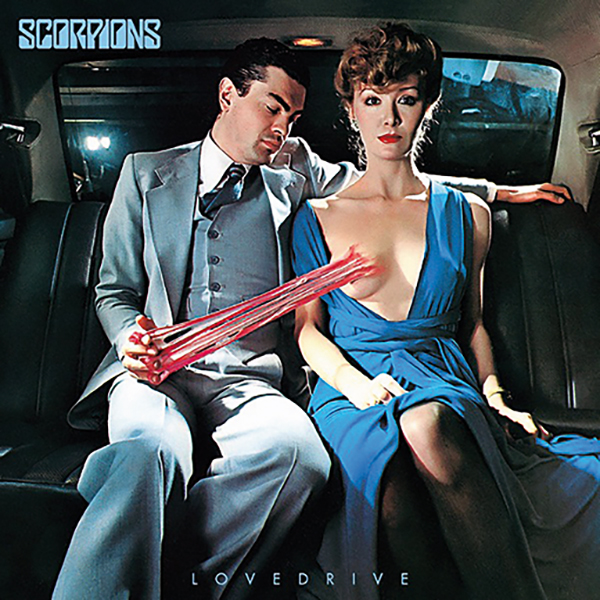
Scorpions
Lovedrive
(Harvest, 1979)
There’s long been a thriving heavy metal scene in Germany (check out Accept, Kreator and Rammstein) and it started with Scorpions. Founded in the ’60s by guitarist Rudolf Schenker, the band had five albums under their belt when Lovedrive was released in 1979, explaining the well-honed nature of its eight tracks. Highlights include ‘Another Piece Of Meat’ and the instrumental ‘Coast To Coast’, which puts the superior guitar work from Rudolf’s younger brother Michael fully on show.
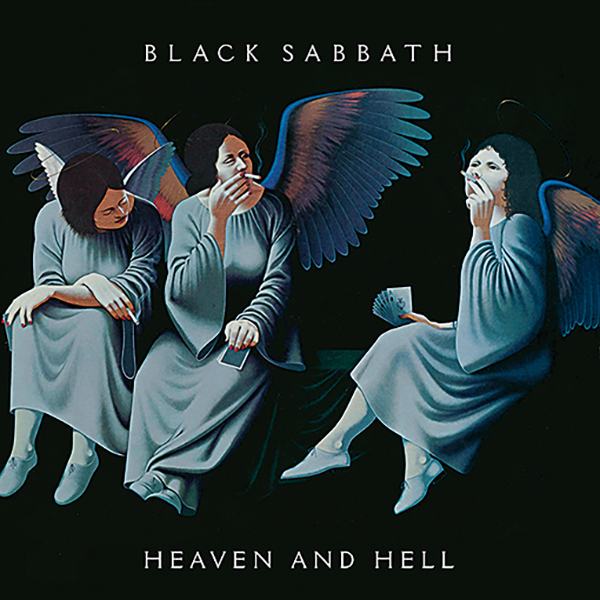
Black Sabbath
Heaven And Hell
(Vertigo, 1980)
With original vocalist Ozzy Osbourne now making solo albums [see p35], Sabbath teamed up with ex-Rainbow frontman Ronnie James Dio for this 1980 release. Perhaps influenced by the success of Priest and Maiden, this is a more polished, faster-paced effort than much of the band’s ’70s output. Dio’s singing, especially on ‘Neon Knights’ and the title track, is superb, and his presence seems to push Tony Iommi into new areas of guitar wizardry. Heavenly stuff.
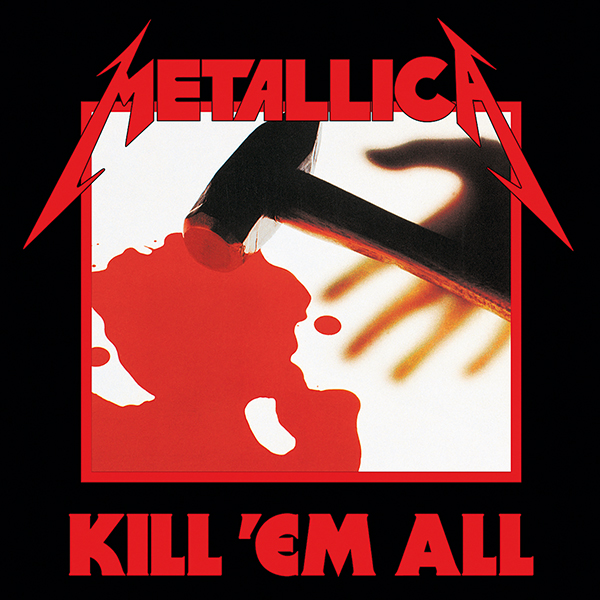
Metallica
Kill ’Em All
(Megaforce, 1983)
Metallica started life – and effectively founded the thrash genre – with this 1983 debut for US indie Megaforce. There’s a youthful quality to its songs that’s to be expected – principal writers James Hetfield (vocals, guitar) and Lars Ulrich (drums) were both only 20 years old – but there are also signs of what would make the band the biggest heavy metal act of all time. Through Hetfield’s peerless rhythm guitar playing, and the fret-melting solos of Kirk Hammett, songs like ‘Whiplash’, ‘Hit The Lights’ and ‘Seek And Destroy’ are guaranteed to get your head banging. No heavy metal collection is complete without it.
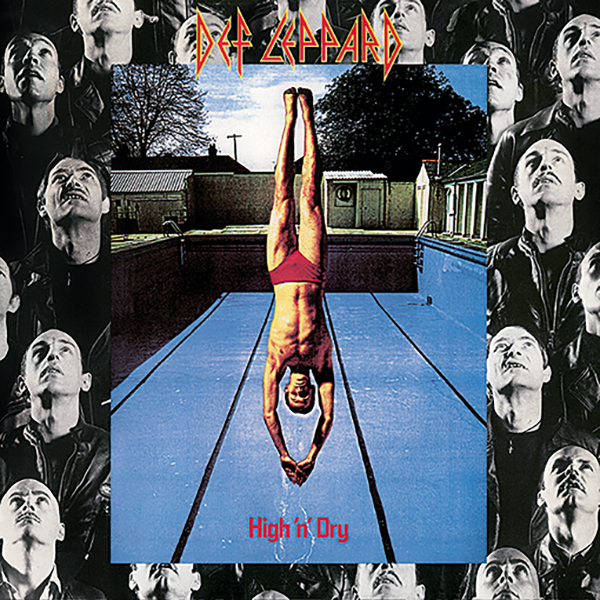
Def Leppard
High ’N’ Dry
(Vertigo, 1981)
While other British guitar bands penned songs about Satan and sorcery, Def Leppard showed a glam rock influence – but with a weight of sound to make them a favourite of the 1980s heavy metal scene. High ’N’ Dry, from 1981, built upon the previous year’s On Through The Night, new producer Mutt Lange adding a layer of polish to fist-pumpers ‘Let It Go’ and ‘Another Hit And Run’. Meanwhile, ‘Bringin’ On The Heartbreak’ is arguably the first heavy metal ballad.















 SPONSORED VIDEO






| Equipment Reviews |  |
Music Reviews Awards | |
Latest News Features | |
Resources Newsletters | |
Subscriptions |
WHERE TECHNOLOGY BECOMES ENTERTAINMENT
 © 2026 Hi-Fi News
AVTech Media Ltd
All rights reserved