Hi-Res Downloads, February 2026
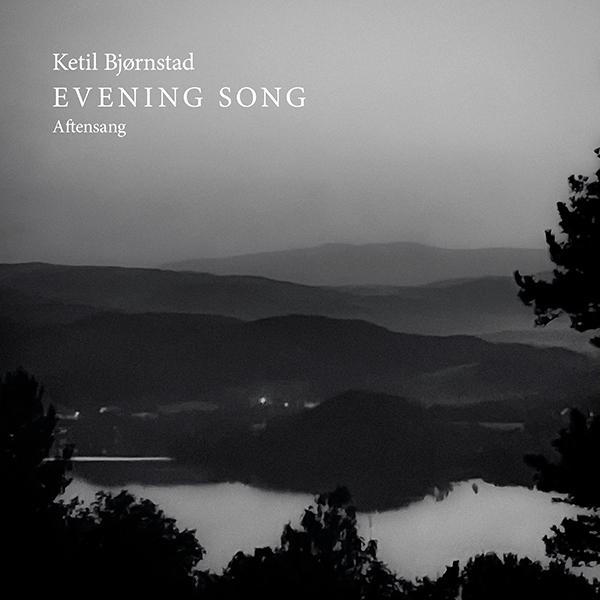

Ketil Bjørnstad
Evening Song (Aftensang) (96kHz/24-bit, WAV)
www.grappa.no; Grappa GRCD4817
Recordings don’t get much simpler, or more ravishing, than this set by Norwegian pianist, composer, author and general polymath Bjørnstad, featuring original compositions played on his favourite Bechstein grand in Oslo’s Propeller Studios. Working with his long-time engineer Mike Hartung, Bjørnstad creates a wonderfully delicate and expressive programme of soundscapes. As the title suggests, the pieces here are inspired by the interplay of light and darkness, the composer saying that ‘I return to an intimate space, alone with the grand piano, with all its possibilities, where every overtone plays a role: sound, rhythm, melody, and improvisation’. Bjørnstad’s classical background is apparent throughout, the sound shimmering and glowing in a recording both close-focused and atmospheric – just the thing for long Nordic summer evenings – or dark, chilly winter ones. AE
Sound Quality: 90%
Lab Report
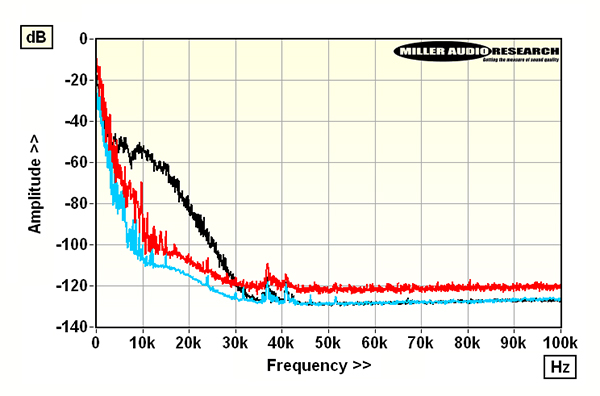
The 45kHz bandwidth of this 96kHz file is wider than required by the piano’s 15kHz range but is used by the close-miked voice on trk 11 [black]. Dynamic range is wide (typ. 18dB peak-to-RMS) and peaks are between –0.1 and –3.7dBFs. PM
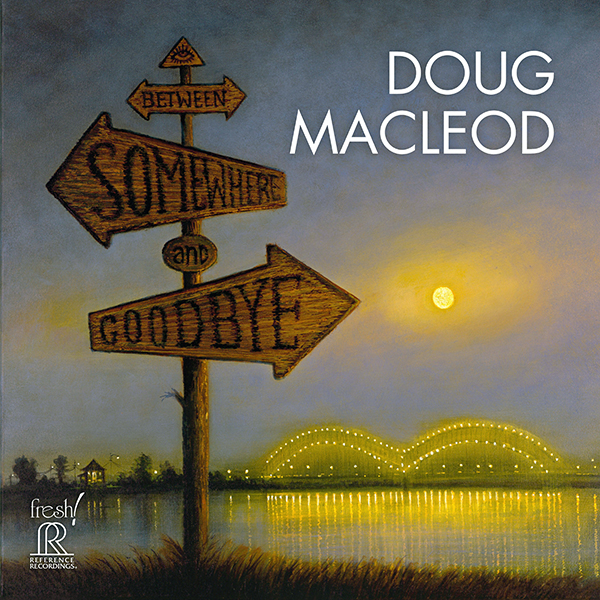
Doug MacLeod
Between Somewhere And Goodbye (192kHz/24-bit, WAV)
www.referencerecordings.com; Reference Recordings FR-760
MacLeod’s sixth outing for Reference Recordings continues in the same vein as his previous sets – his distinctively warm voice set against closely recorded guitars to give a feeling of real intimacy and immediacy. The original compositions here are inspired by MacLeod’s adoptive home city, Memphis, and the Mississippi River. A pretty stellar cast of musicians was assembled for these sessions, particularly the larger scale tracks interspersed among the simple voice and guitar songs. Standouts are the backing vocals of The Shoals Sisters, the measured bass of Paul Ossola, Mark T. Jordan’s piano and organs, and the drums of Lynn Williams, ensuring the whole enterprise has an easygoing, organic feel. Add in MacLeod’s informative and amusing booklet notes and an exemplary sound, and this is one fine set. AE
Sound Quality: 85%
Lab Report
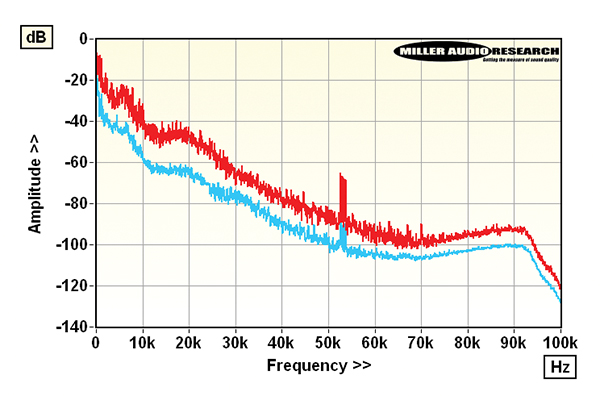
Recorded at Creative Workshop studio in Nashville, this 192kHz file is populated with some very extended (guitar) string harmonics. A pity all tracks are normalised to a high –0.06dBFs, but the spuriae at ~52kHz will not be heard! PM

Julia Hülsmann Quartet
Under The Surface (96kHz/24-bit, WAV)
www.ecmrecords.com; ECM 2837
German-born pianist Julia Hülsmann has been recording for ECM since 2008. Classically trained, she formed her first band at just 16, moved on to study jazz piano in Berlin and for getting on for two decades has toured with her trio of Marc Muellbauer on bass and drummer Heinrich Köbberling. Here three becomes four, with the addition of Uli Kempendorff on sax and trumpeter Hildegunn Øiseth guesting on five of the tracks. All are original compositions, mainly by Hülsmann, and the excellent recording gives each of the musicians space for their intuitive interplay. The brass players weave around each other, the piano at turns elegant and sinuous, while the rhythm duo anchor the whole thing, whether in the subtly swinging ‘Nevergreen’ or the more freeform ‘Milkweed Monarch’. Finally, the title track brings it all to a conclusion in gentle, stately style. AE
Sound Quality: 85%
Lab Report
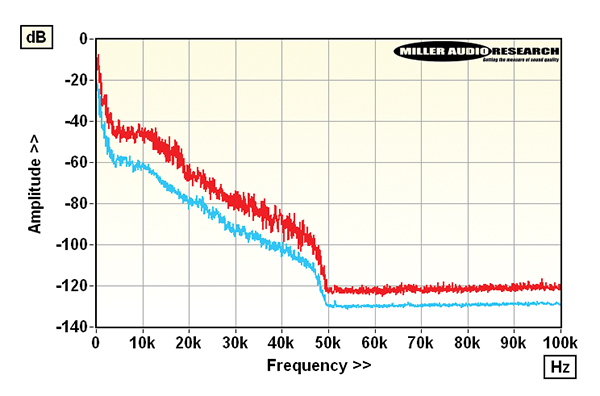
This is a genuine 96kHz/24-bit recording that enjoys a wide dynamic range and sensible peak levels (no higher than –1.5dBFs) to avoid intersample clipping with vulnerable DACs. The file is also free of spurious tones or digital artefacts. PM
London Symphony Orchestra/Davide Alogna/Miran Vaupotic
Symphonic Stradivarius (96kHz/24-bit, WAV)
www.navonarecords.com; Navona Records NV6688
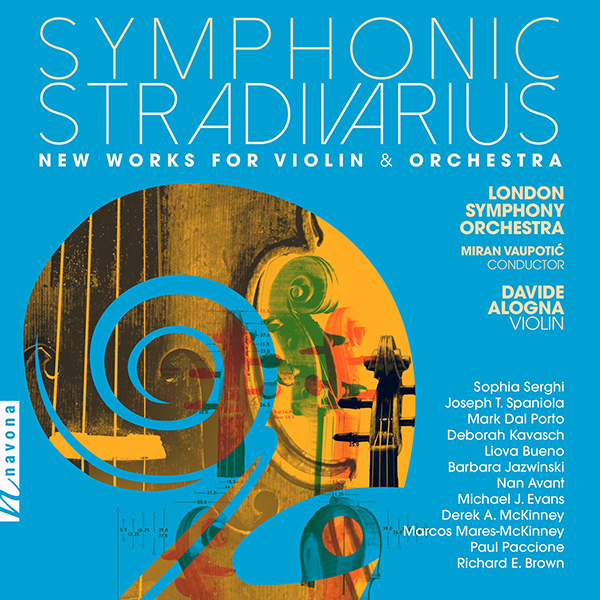
Recordings don’t get much more ‘old meets new’ than this programme of new compositions for violin and orchestra. Here soloist Alogna plays a truly venerable instrument – the 1690 ‘Stephens’ Stradivari violin, one of the very first red-varnished instruments ever made, using the ‘long body’ style now the norm. It’s considered one of the best-sounding Stradivari instruments ever, and that alone would make this set worth experiencing, were it not also for the quality of the new works themselves. Recorded at LSO St Luke’s, the music sparkles and shines throughout, Alogna’s instrument showcased but not spotlit, and the ‘band’ on fine form whether with the sinuous ‘Tarantella’ or the dramatic ‘Fire Dance’, with a full, rich, but close-detailed sound. New tunes on an old fiddle, one might say… AE
Sound Quality: 85%
Lab Report
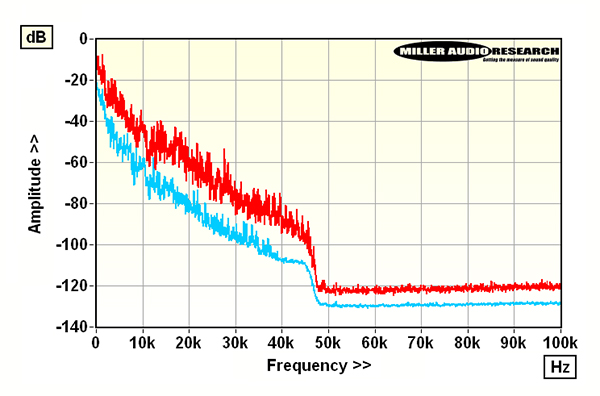
Dynamic range is only ‘average’ but this is still a powerful sounding recording aided by sensibly managed –1.6dBFs to –4.8dBFs peaks. The available bandwidth of this 96kHz recording is well used with violin harmonics exceeding 30kHz. PM
Livingston Taylor/BBC Concert Orchestra
Symphonic Steps (192kHz/24-bit, WAV)
www.bigroundrecords.com; Big Round Records BR8988
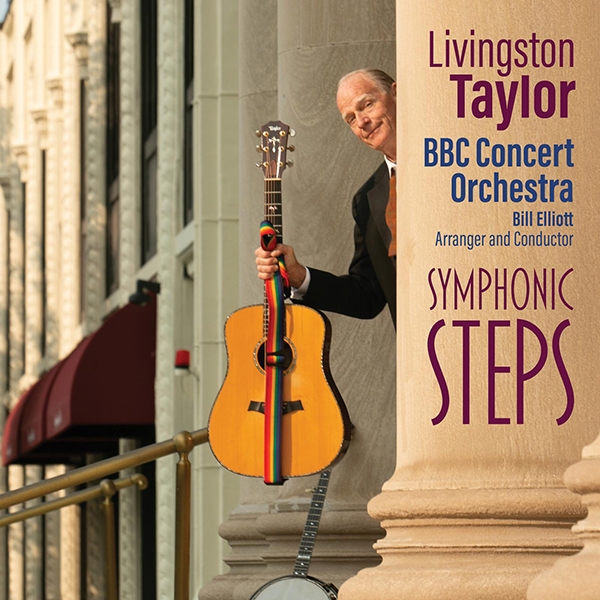
For a while, a decade or so back, it seemed one couldn’t attend a hi-fi demonstration without encountering Livingston Taylor’s track ‘Grandma’s Hands’, featuring as it did on Chesky’s Ultimate Demonstration Disc. The latest release from Taylor, younger brother of James, is an outing with the BBC Concert Orchestra, conducted by arranger Bill Elliott. The jury may be divided on how well Taylor’s folksy songwriting and vocals, still characterful at the age of 75, match with the ‘widescreen’ effect of having a full orchestra on hand. At times the close intimacy of both songs and performance seems rather over-gilded by the lush arrangements, which can sound like they’ve escaped from a movie made in Hollywood’s golden age. I’m not sure it always works, but there’s no denying that the Maida Vale recording does a fine job of balancing the two to big, romantic effect. AE
Sound Quality: 80%
Lab Report
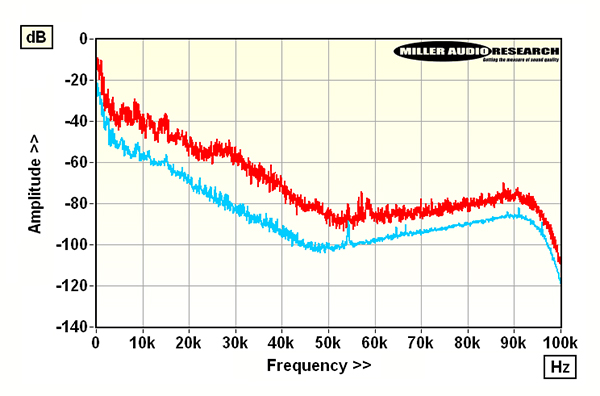
Sampled here at 192kHz, though the rise in ultrasonic noise has more than a hint of DSD128 – at some point in the recording/mastering chain – about it... All peaks are less than –1dBFs and final dynamic range is merely ‘average’. PM












 SPONSORED VIDEO






| Equipment Reviews |  |
Music Reviews Awards | |
Latest News Features | |
Resources Newsletters | |
Subscriptions |
WHERE TECHNOLOGY BECOMES ENTERTAINMENT
 © 2026 Hi-Fi News
AVTech Media Ltd
All rights reserved